
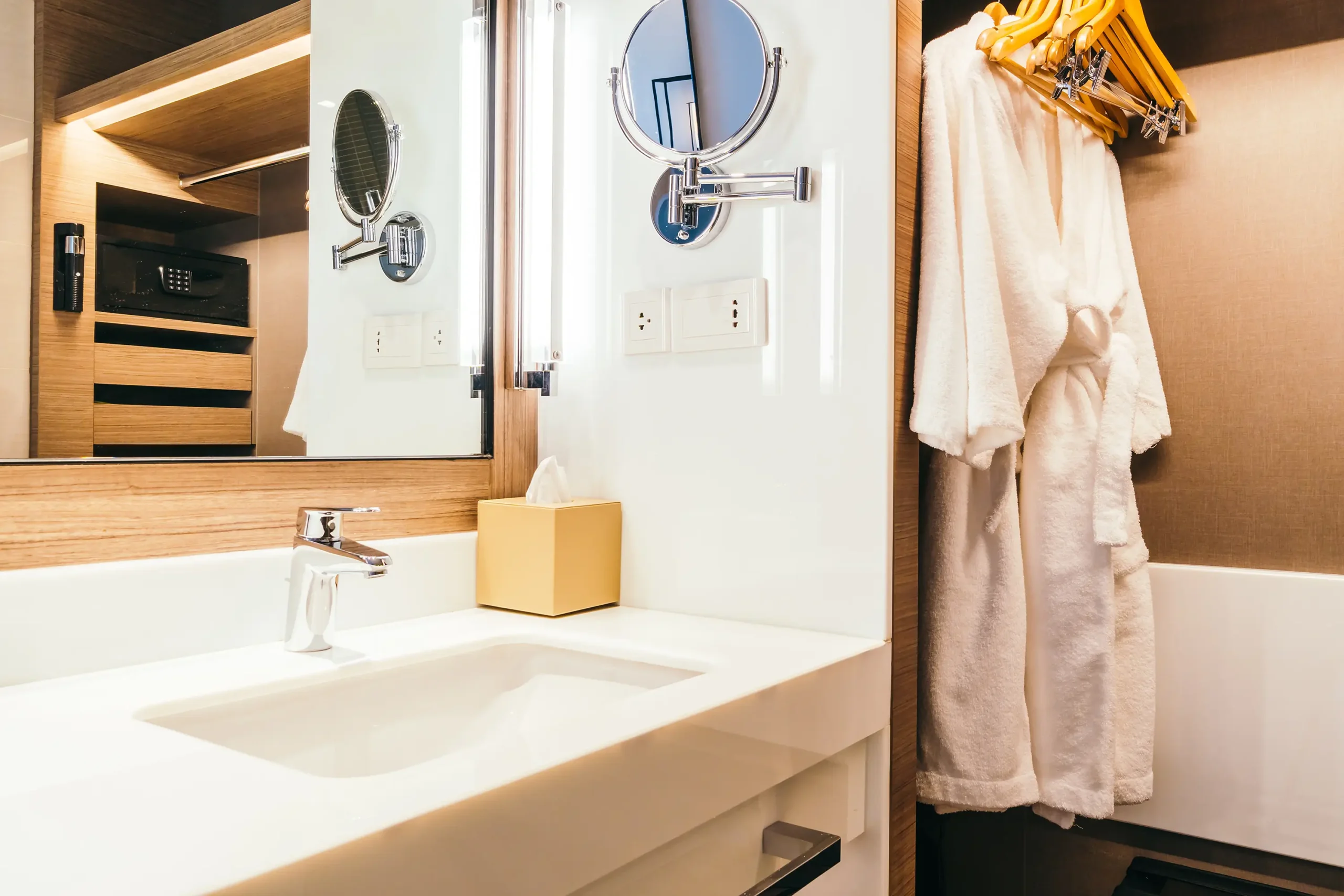
Designing a small bathroom can feel like a real puzzle. When floor space is limited, every decision really matters, from where you place the shower to how much storage space you can squeeze in. The good news is that with the right approach, even a tiny bathroom can look stylish, feel comfortable and work beautifully day to day.
Whether you’re refreshing a ground floor WC, updating a family bathroom or tackling a compact space under the stairs, this guide will walk you through how to design a small bathroom in a practical, easy-to-follow way. You’ll find ideas that help maximise space, introduce more natural light and create a bathroom space that feels bright, inviting and tailored to your personal taste.
1. Start by Understanding the Compact Space You Have
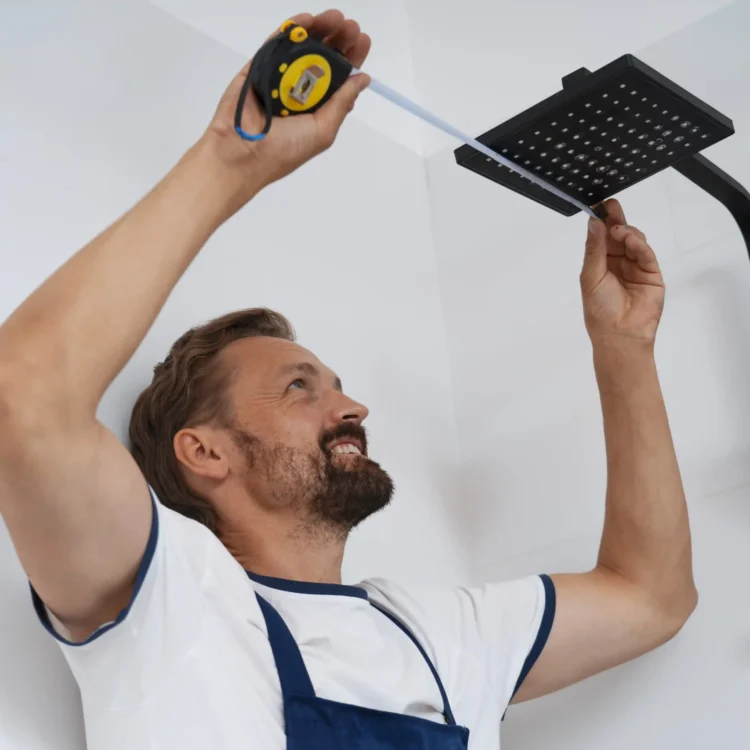
Before choosing tiles or bathroom furniture, take time to measure your small bathroom properly. Note the length, width and height of the room and mark any awkward corners or window ledges that may affect your layout. These small details help you avoid common bathroom design mistakes and make the room feel more open from the start. Don’t forget to add construction materials like backboard or tile finishes, these can eat up quite a bit of a rooms width.
If plumbing points, electrical outlets or radiators can’t be moved easily, factor these into your plan. This is especially important in older homes where compact space is common and layouts can be tight. By understanding the available space early on, you can choose fixtures that fit comfortably and leave enough room for everyday use.
Think about how the bathroom will be used. A guest WC might only need a toilet and basin, while a master bathroom or family bathroom needs a practical shower or shower bath. If your home has a windowless room, you may need extra lighting to compensate for the lack of natural light.
2. Choose a Layout That Works for a Small Room
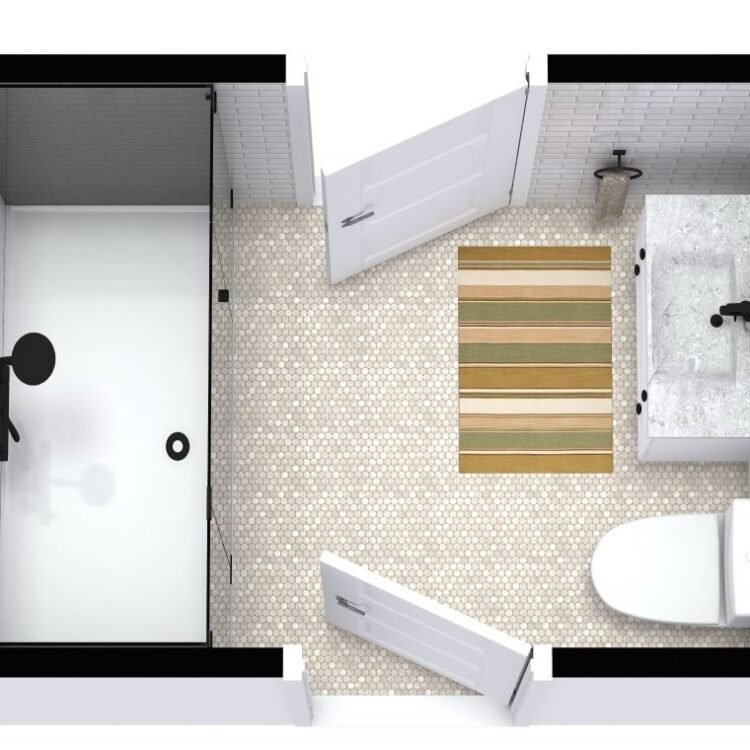
The layout is the foundation of any successful small bathroom design. Positioning each element thoughtfully helps the room feel bigger and prevents the space from becoming cluttered.
Here are a few helpful small bathroom ideas:
• Place the toilet against the shortest wall to free up valuable space.
• Keep the basin near the door to simplify plumbing and movement.
• Use corners for a shower enclosure to maximise space.
• Choose sliding doors for showers in a tiny space where hinged doors would feel restrictive.
For extremely compact spaces, turning the room into a wet room can help you create the illusion of more space. Without a traditional shower tray, the floor feels more open and seamless, and the room feel becomes lighter and easier to maintain.
Try to maintain about 600mm of clear floor space in front of fixtures. This helps the room feel less cramped and ensures you have enough room to move comfortably.
3. Pick Fixtures That Make the Most of Limited Floor Space
When choosing fixtures for a smaller space, focus on designs that save space while still offering some useful functionality.
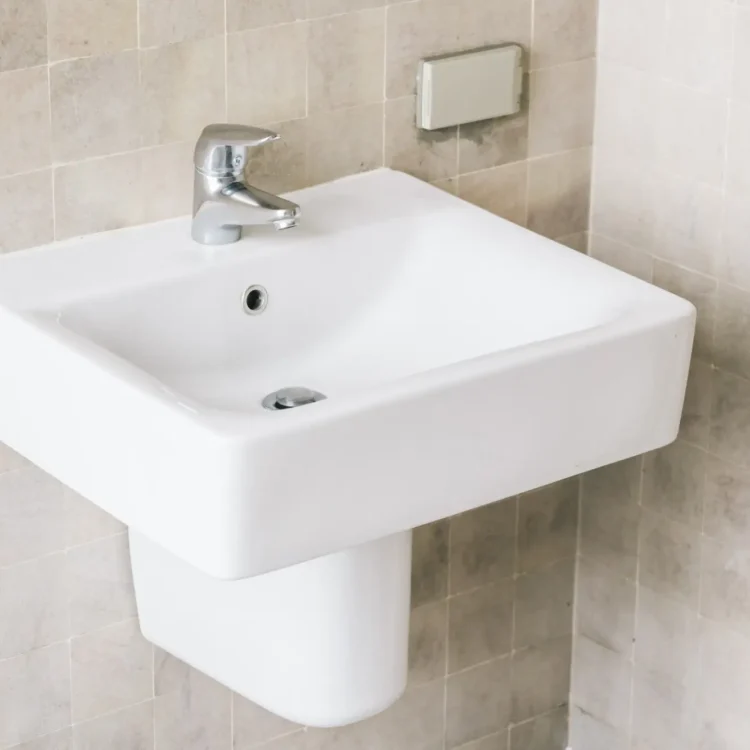
Wall hung toilets and basins are ideal because they create clean lines and free up the floor beneath. This makes the whole room feel like an open space rather than a cramped one. A compact vanity unit around 400–500mm wide is usually enough for everyday needs without overwhelming the room. You can also see more of your chosen floor covering and clean it much easier.
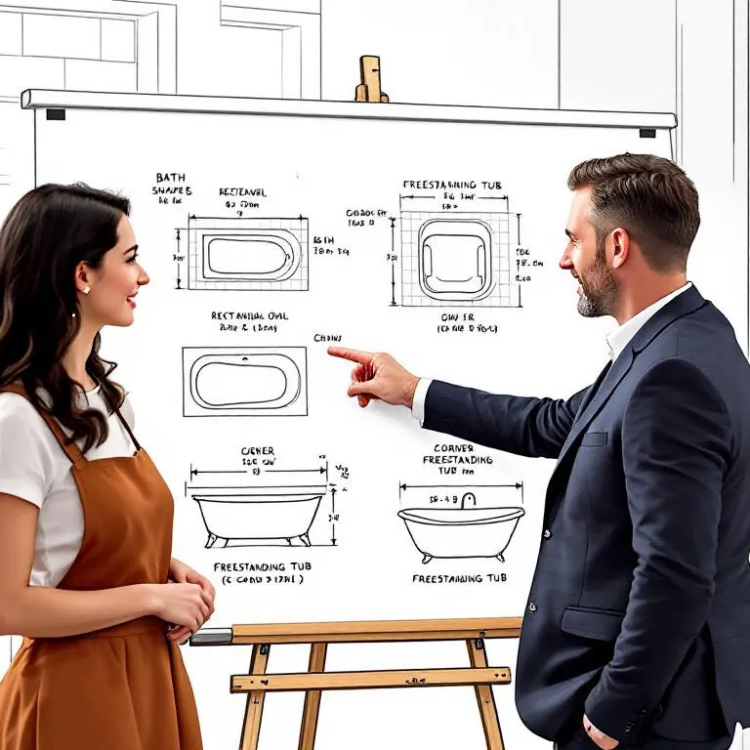
If you love baths but don’t have the room for a freestanding bath, consider a short bath or a shower bath, heres some different bathroom shapes to get your thoughts going. Shower baths provide the flexibility of having both shower and bath options without taking up extra space.
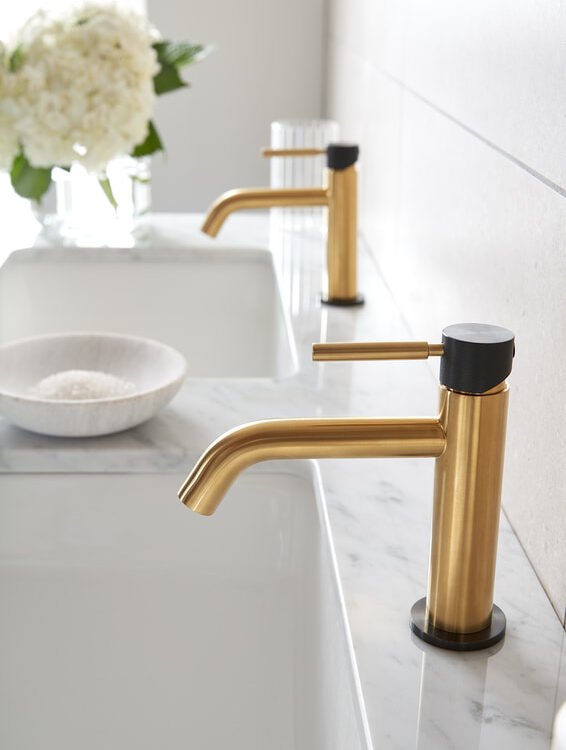
For a touch of luxury in a compact room, adding custom made porcelain sinks and vanity units can turn a small room into a beautiful focal point that reflects your personal style. In very tight areas, a combination toilet-basin unit can save space and keep the layout simple.
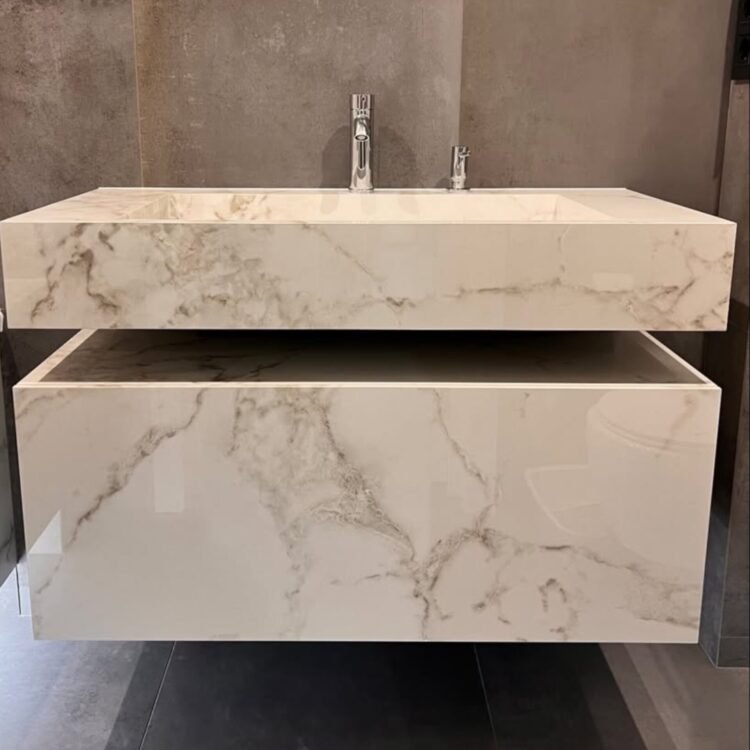
4. Storage Solutions That Keep the Room Clutter Free
One of the biggest challenges in decorating small bathrooms is managing bathroom products without making the room feel cramped or claustrophobic. The best approach is to use vertical surfaces and hidden storage.
Here are some simple ways to maximise space:
• Mirrored cabinets above the basin add storage without using extra space.
• Tall cabinets are perfect for holding towels and toiletries without taking up too much floor space.
• Recessed niches inside the shower room keep bottles tidy and accessible.
• Vanity drawers help keep items organised and out of sight.
• Shelves above the toilet are a practical way to add extra space without affecting movement.
When the bathroom stays clutter free, the whole room feel becomes calmer and more spacious.
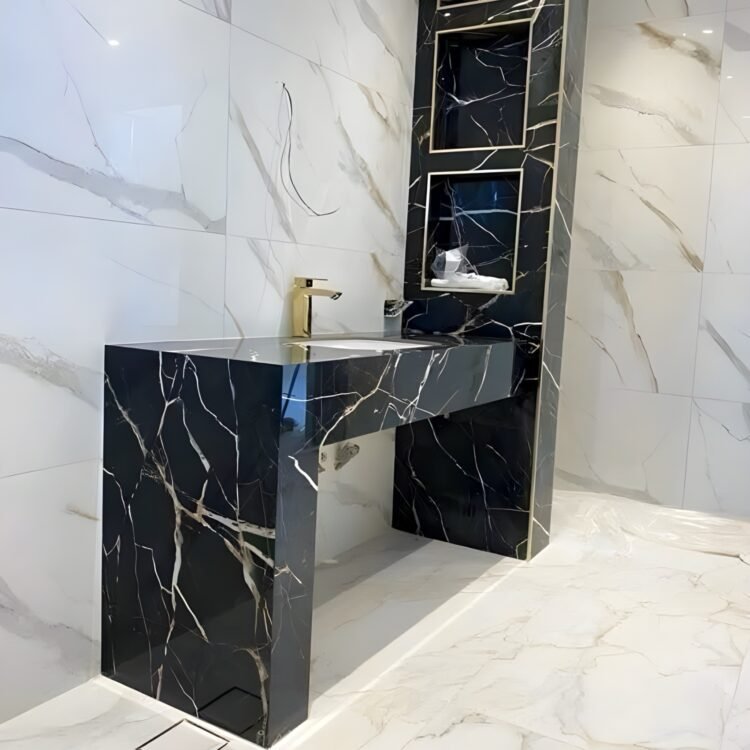
5. Use Colour and Light to Make a Small Bathroom Feel Bigger
A big bathroom trend right now is to use light colours, they are essential when designing a tiny bathroom. Soft grey, pastel shades, white tiles and pale neutrals help reflect light around the room and brighten the overall space. Avoid dark colours on ceilings or large areas, as they can make the room feel smaller and very industrial.
Lighting plays a big part in how the room feel develops. Right lighting makes a compact space look more open. Ceiling spotlights provide even illumination, while wall lights near the mirror add warmth and improve visibility for daily tasks. If theres no room for wall lights stick with a backlit mirror light.
Reflective surfaces such as glossy wall tiles, glass, chrome finishes and large mirrors help reflect light and create the illusion of more space.
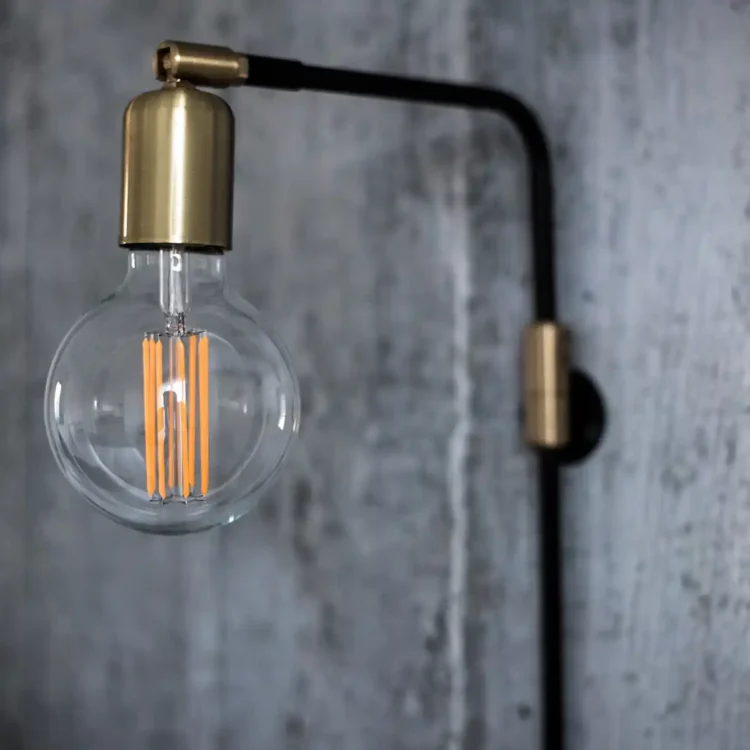
6. Tiles and Flooring That Expand the Space Visually
Tiles play a major role in how spacious a small bathroom feels.
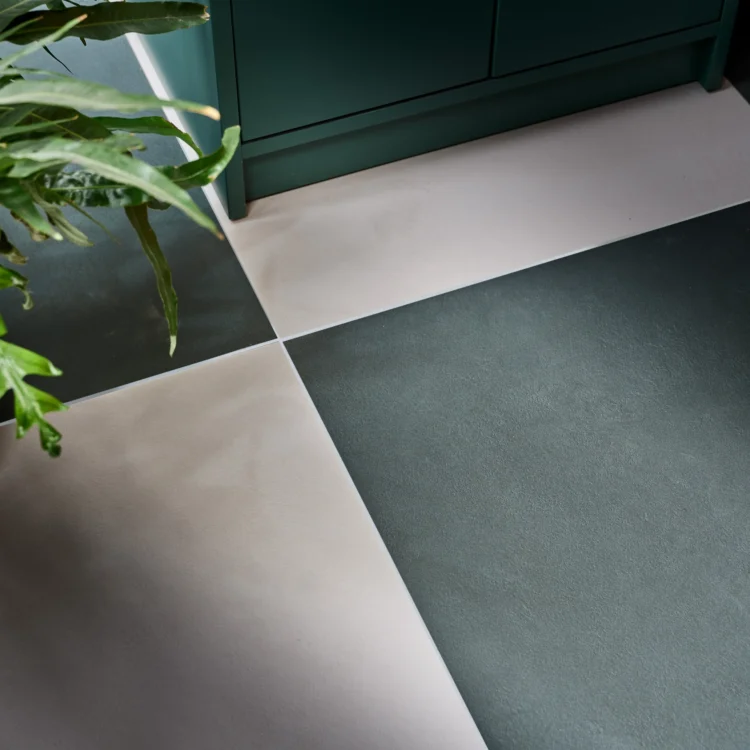
Large format tiles reduce the number of grout lines and create a smooth, seamless look that makes the room appear larger. Using the same floor tiles on the floor and walls enhances this effect by creating clean lines from top to bottom. Not sure which tile material to choose find out the difference between ceramic and porcelain here.
Diagonal tile patterns can help widen narrow rooms, while lighter shades on both walls and floors help reflect light and brighten the entire bathroom.
If you’re on a budget, modern vinyl alternatives like luxury vinyl tile (LVT) give the look of stone or wood while being water-resistant and easy to clean.
7. Heating and Ventilation for Compact Bathrooms
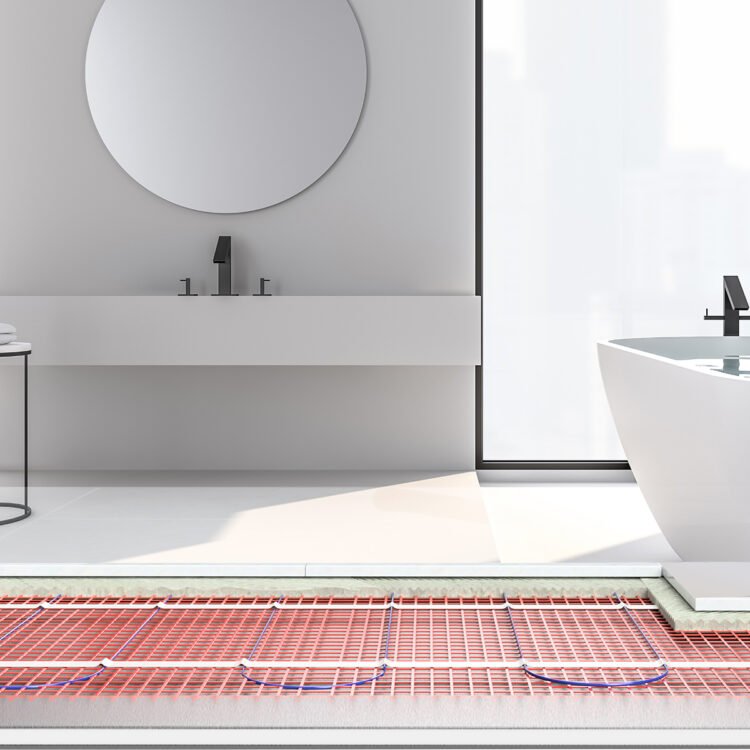
Just because the room is small doesn’t mean comfort should be compromised. Compact towel radiators are ideal for tight layouts, providing warmth without taking up too much space. Many luxury hotel bathrooms have underfloor heating it is a great way to save space by removing the need for a wall radiator altogether.
Ventilation is especially important in a smaller space. An extractor fan with a timer helps prevent moisture buildup and protects your finishes from steam damage overtime.
8. When to Call in Professionals
Even in a small bathroom, some tasks are best handled by experts, especially anything involving plumbing, electrics or structural changes. Electricians and plumbers ensure everything complies with safety standards, while professional installers can finish the project cleanly and efficiently.
Allow around 7–10 working days for most bathroom installations, depending on the scale of the project and how much waterproofing/construction work is necessary.
9. Budget-Friendly Ways to Refresh a Small Bathroom
You don’t need to completely renovate the bathroom to see a big improvement. Small updates can create plenty of visual impact for relatively low cost.
Some practical ways to refresh a tiny bathroom include:
• Painting or re-grouting with a fresh colour palette
• Updating lighting or wall lights
• Adding new accessories or textiles
• Replacing old fixtures without moving plumbing
• Choosing clever tricks like adding a large mirror to add more space visually
These small changes can transform a room quickly while keeping the budget under control.
Conclusion
Designing a small bathroom doesn’t always have to be complicated. With thoughtful planning and the right layout, even a tiny space can become a relaxing space that feels bright, open and practical.
Focus on creating a layout that makes sense for your available space, choose compact fixtures that save space, and use light colours, reflective surfaces and large mirrors to brighten the room. Add smart storage and bathroom furniture that keeps things organised without overwhelming the room, and you’ll end up with a bathroom that feels stylish and comfortable despite its smaller space.
With this practical way of approaching bathroom design, you can create the illusion of more space and transform even the tiniest room into something beautiful. Get in touch is you are looking for a bespoke bathroom sink or vanity that can be crafted to for any bathroom size, with a 10 year warranty and nationwide delivery and installation or check out our buying guide for more tips.