
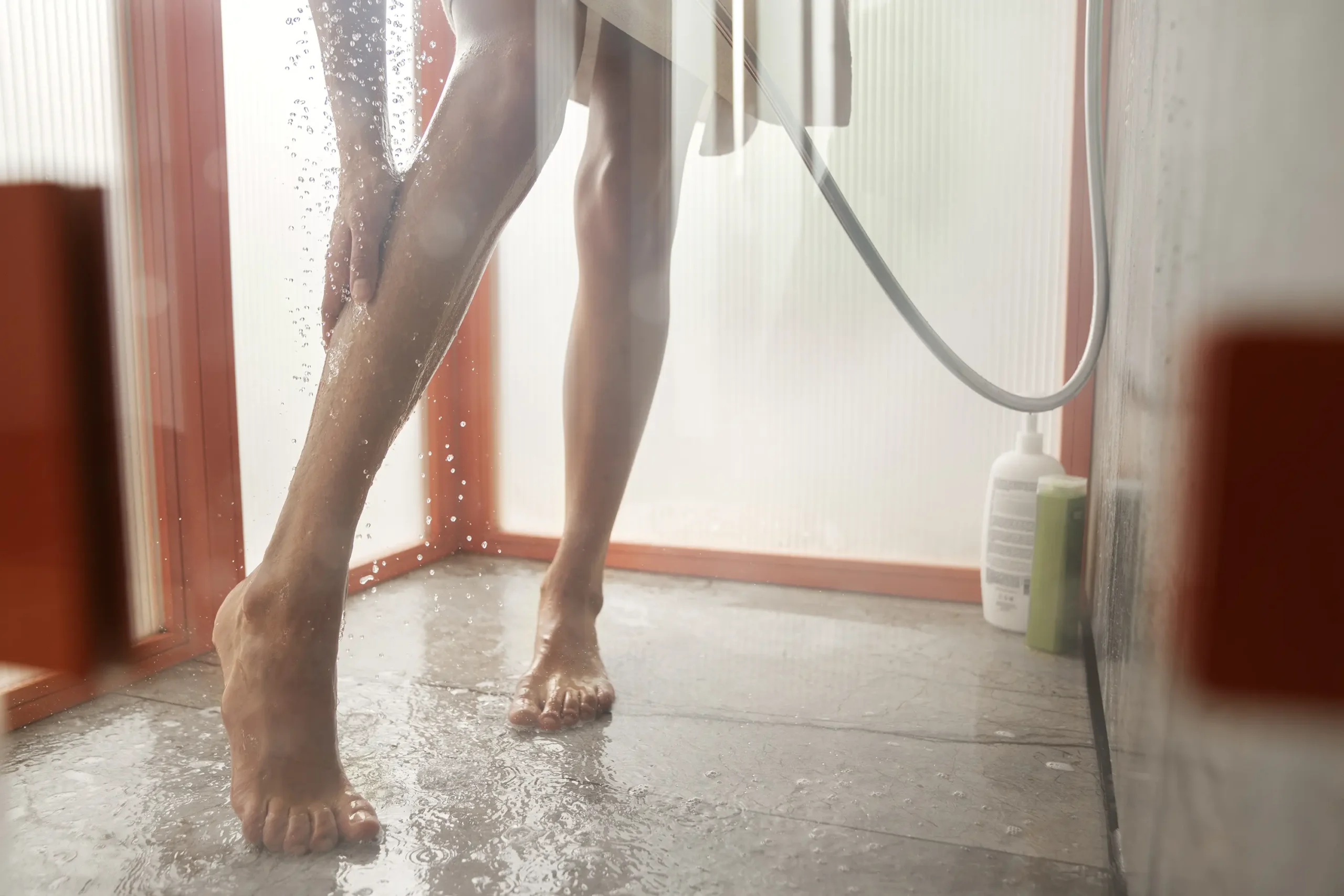
Learning how to build a wet room is about more than just removing a shower tray. A well designed wet room creates a completely waterproof, seamless space where water flows safely across the floor and drains away without barriers. When done properly, a wet room becomes a highly functional space that looks modern, saves space, and works beautifully for everyday use.
This guide explains wet room building from planning and design through to installation tips, helping you understand what’s really involved in creating a new bathroom that works for you long term.
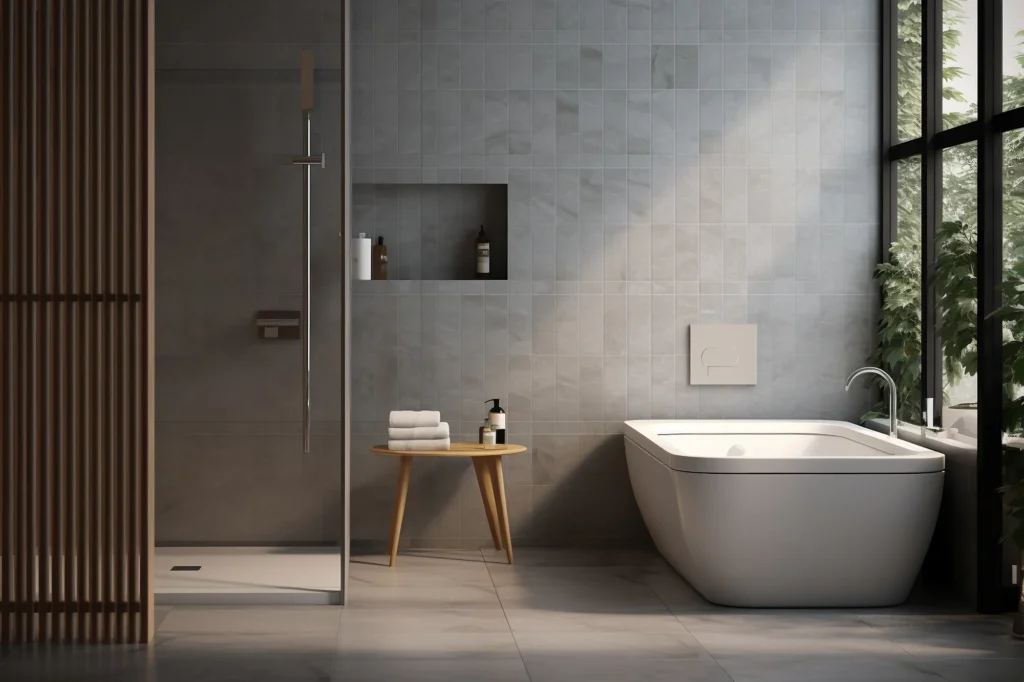
What Is a Wet Room and Why Build One?
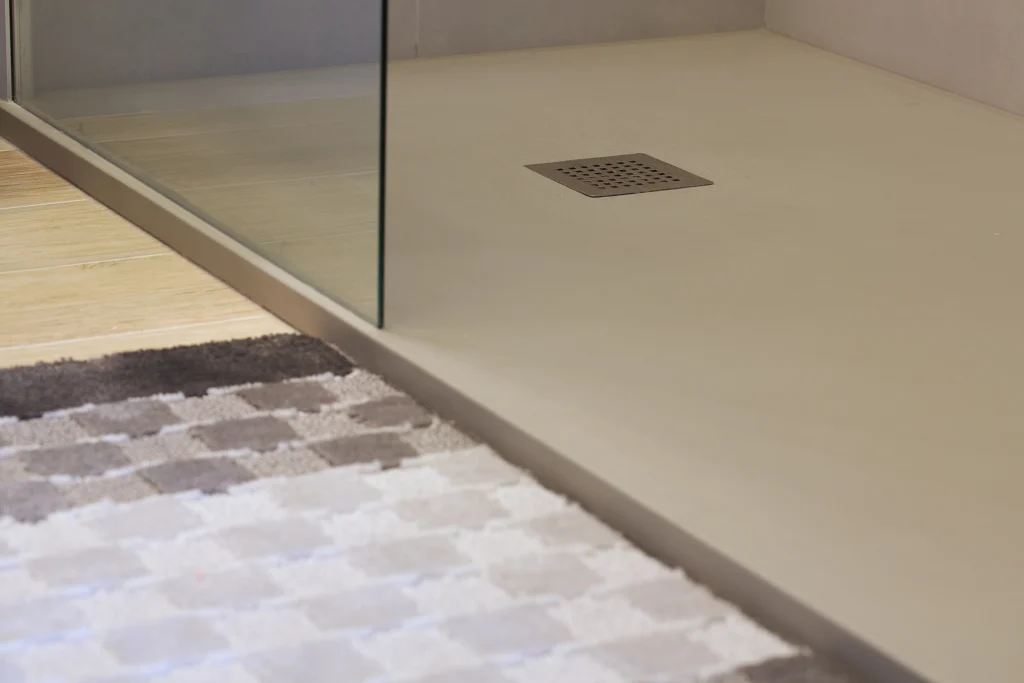
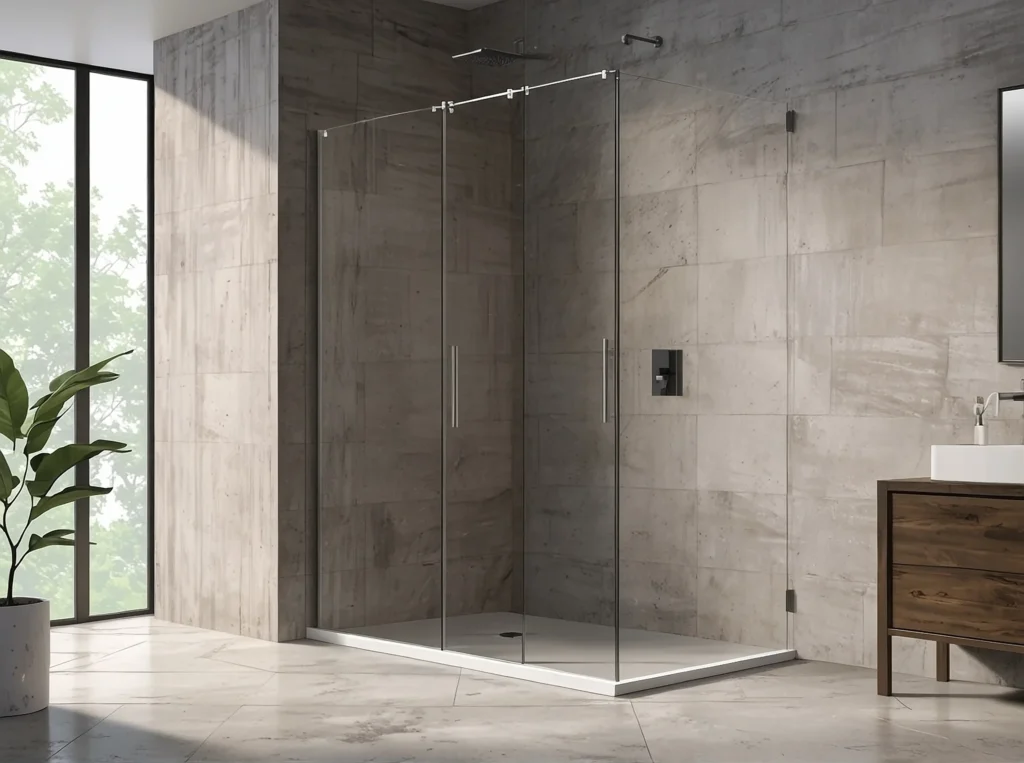
A wet room is a fully waterproofed bathroom where the shower area usually sits flush with the rest of the bathroom floor. Instead of using a raised or low profile shower tray, the entire room floor is gently shaped using built in gradients that direct water towards a drain.
These bathrooms offer a great solution for modern homes because they remove visual clutter and physical barriers. Compared with traditional bathrooms, a wet room creates a sense of openness and flow, even in smaller bathrooms.
A well designed wet room can:
- Save space and make a room feel larger
- Provide level access and direct access to the shower
- Make cleaning much easier due to fewer grout lines and fittings
- Support mobility challenges and accessibility needs
- Create a spa like atmosphere with a contemporary appearance
These bathrooms aren’t just a stylish addition, they’re a practical upgrade that works for families, future-proofed homes, and anyone who loves a modern aesthetic.
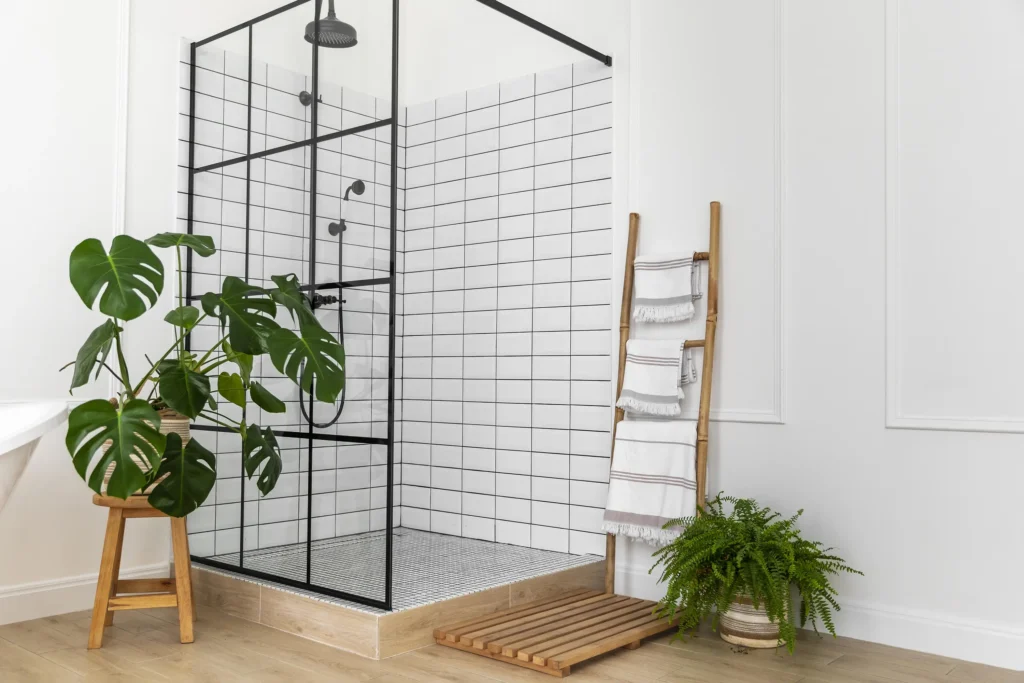
Wet Room Ideas and Design Inspiration
Good wet room ideas balance practicality with style. Whether you’re designing a small wet room or a larger luxury bathroom, layout and finishes make a huge difference.
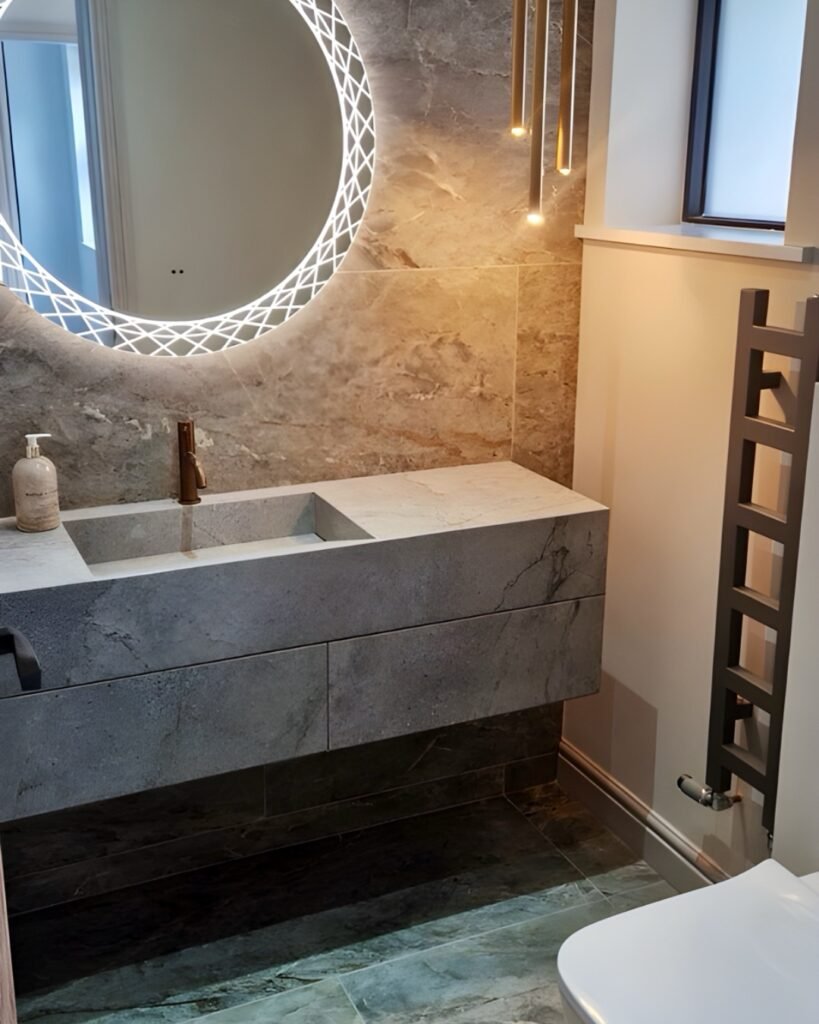
Popular bathroom designs often include a feature wall behind the shower area to add contrast, natural materials such as natural stone or porcelain tiles, light tones to reflect light, and carefully selected fixtures that elevate the overall space. In many wet rooms, choosing bespoke elements like handcrafted basins or vanities helps create a cohesive, high-quality finish that complements the seamless design.
For small bathroom layouts, keeping the design simple helps save space. Using wall-mounted fittings, a floating vanity unit, and minimal shower screens keeps the room feeling open while maintaining a functional space.
Planning Your Wet Room Build
Careful planning is essential when installing a wet room. Before any installation begins, you need to understand room size, floor construction, and drainage routes as these can alter your design plans.
A walk in shower room floor requires additional build-up to allow water to fall correctly towards the drain. This is especially important on upper floors, where structural movement must be controlled. Timber floors often need strengthening, while a concrete floor provides a more stable base but may require cutting to install drainage systems.
The waste pipe location really does matter. Ideally, the drain should connect to an outside wall to reduce pipe runs and improve flow. Longer runs increase the risk of blockages and maintenance issues.
You’ll also need to comply with local building regulations, particularly where structural changes, electrics, ventilation, or underfloor heating are involved.
Costs and Budget Expectations
Wet room installation costs vary depending on design, materials, and floor type. A professionally installed wet room typically costs more than a standard bathroom, but the long-term benefits often outweigh the initial investment.
Costs usually include:
- Waterproofing systems and liquid membranes
- Drainage systems and waste pipe connections
- Floor & wall preparation and gradient forming
- Tiles, grout lines, and finishes
- Labour and installation
While DIY wet room building can reduce costs, mistakes with waterproofing or drainage are always expensive to fix. Many homeowners choose professional installation for peace of mind.
Essential Wet Room Components Explained
A wet room works as a system, not a collection of parts. Each component plays a critical role.
Waterproofing is the foundation. Liquid membranes are commonly used to create a fully waterproofed space, forming a continuous barrier across floors and walls. This ensures the entire room is protected, not just the shower area.
Drainage systems must match the shower output. Linear drains work well with modern wet room designs and large tiles, while point drains suit smaller tiled layouts. The drain must be correctly aligned with the wet floor gradients to prevent standing water.
Tile choice affects safety and maintenance. Slip resistance is essential on a walk in shower room floor, while reduced grout lines help with easy maintenance. Natural stone offers character but needs sealing, while porcelain tiles provide durability and consistency.
Step-by-Step Wet Room Installation Overview
Wet room installation usually takes 4–7 days when done professionally.
Floor Preparation
The floor must be stable and relatively level before gradients are formed. On timber floors, reinforcement is often needed to prevent movement. On a concrete floor, preparation may involve grinding or cutting channels for drainage routes.
Drainage Installation
The drain is installed flush with the finished floor and connected securely to the waste pipe. Drainage systems must handle the combined flow of the shower head, particularly rainfall showers.
Creating the Wet Room Floor
Built in gradients are created so water flows naturally towards the drain. These gradients must be comfortable to walk on while ensuring efficient drainage across the entire room. A standard gradient for wet rooms is 1:60, providing enough fall for effective drainage while still feeling comfortable and safe to walk on.
Waterproofing
The entire room is tanked using membranes that extend up the walls. This creates a completely waterproof barrier, essential for long-term durability.
Tiling and Finishing
Tiles are installed using waterproof adhesives, with careful attention to grout lines and transitions in shower areas. Fixtures are fitted without compromising the waterproof layer.
Timber Floors vs Concrete Floors
Timber floors require extra care due to natural movement. Lightweight formers help create gradients while reducing load. Proper fixing and membrane systems are essential.
A concrete floor offers excellent stability and is ideal for wet room building, but drainage installation often requires cutting and specialist tools adding to labour costs.
Both options can work well when properly designed and installed.
Safety, Accessibility, and Comfort
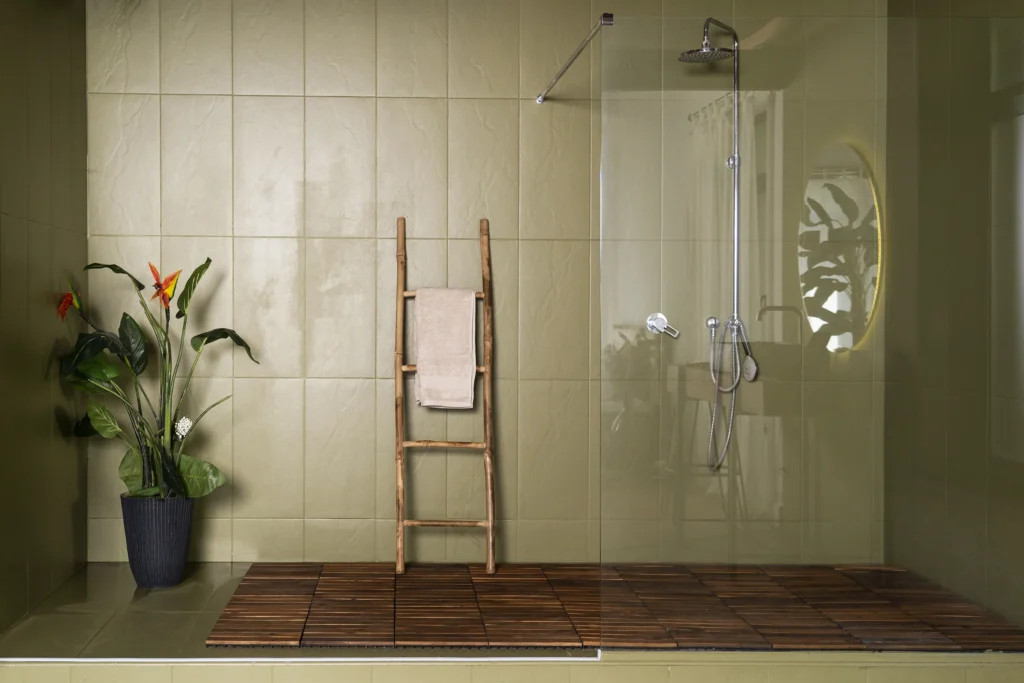
Wet rooms are ideal for users with mobility issues or accessibility needs. Level access and walk in shower layouts remove steps and thresholds.
Safety features may include:
- Non-slip tiles with appropriate slip resistance
- Grab rails fixed into structural supports
- Thermostatic controls for consistent water temperature
Underfloor heating improves comfort and helps dry the wet floor quickly, reducing moisture and improving hygiene.
Ventilation and Moisture Control
Adequate ventilation is important in any wet room due to the excess steam created. Mechanical extraction removes moisture and prevents mould. Natural ventilation can help, but mechanical systems are usually required to meet building regulations.
Good airflow protects finishes, grout lines, and the overall bathroom environment from mold and condensation.
Common Mistakes to Avoid
Common wet room problems include poor gradients, undersized drains, incomplete waterproofing, and inadequate ventilation. These issues often lead to standing water, leaks, or long-term damage.
Careful planning and using compatible systems reduces risk significantly.
Professional Installation vs DIY
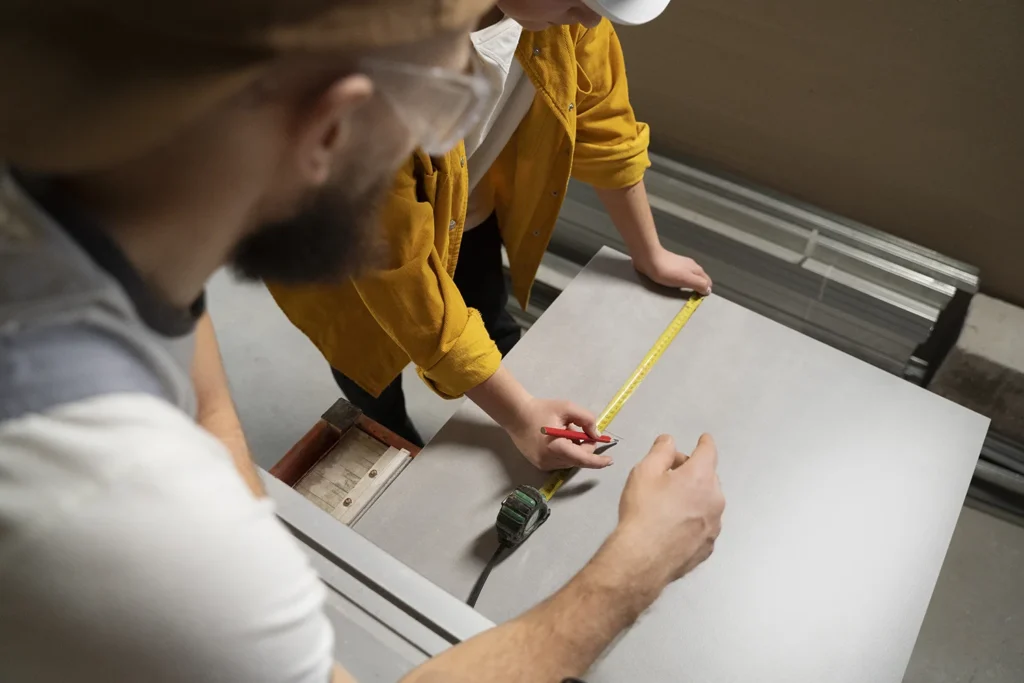
Professional installation offers speed, warranties, and coordination across trades and suppliers. DIY installation can work for experienced renovators, but waterproofing and drainage require some prior knowledge.
Some homeowners use a hybrid approach, hiring professionals for critical stages and completing finishing work themselves.
Maintaining Your Wet Room
Daily drying, regular cleaning, and good ventilation keep wet rooms performing well. Inspect grout lines and seals periodically and clear the drain to maintain flow, one failing silicone seal can make or break a wet room.
With proper care, a well designed bathroom can last for decades.
Final Thoughts
A walk in shower room is more than a modern bathroom trend. When planned carefully and installed correctly, it creates a seamless design that saves space, improves accessibility, and enhances everyday living.
Whether you’re upgrading a standard bathroom, designing a small wet room, or creating a luxury walk in shower, understanding how wet rooms offer both style and function will help you achieve a space that looks great, add property value and works reliably for years to come.
2 Comments